
Technology
-
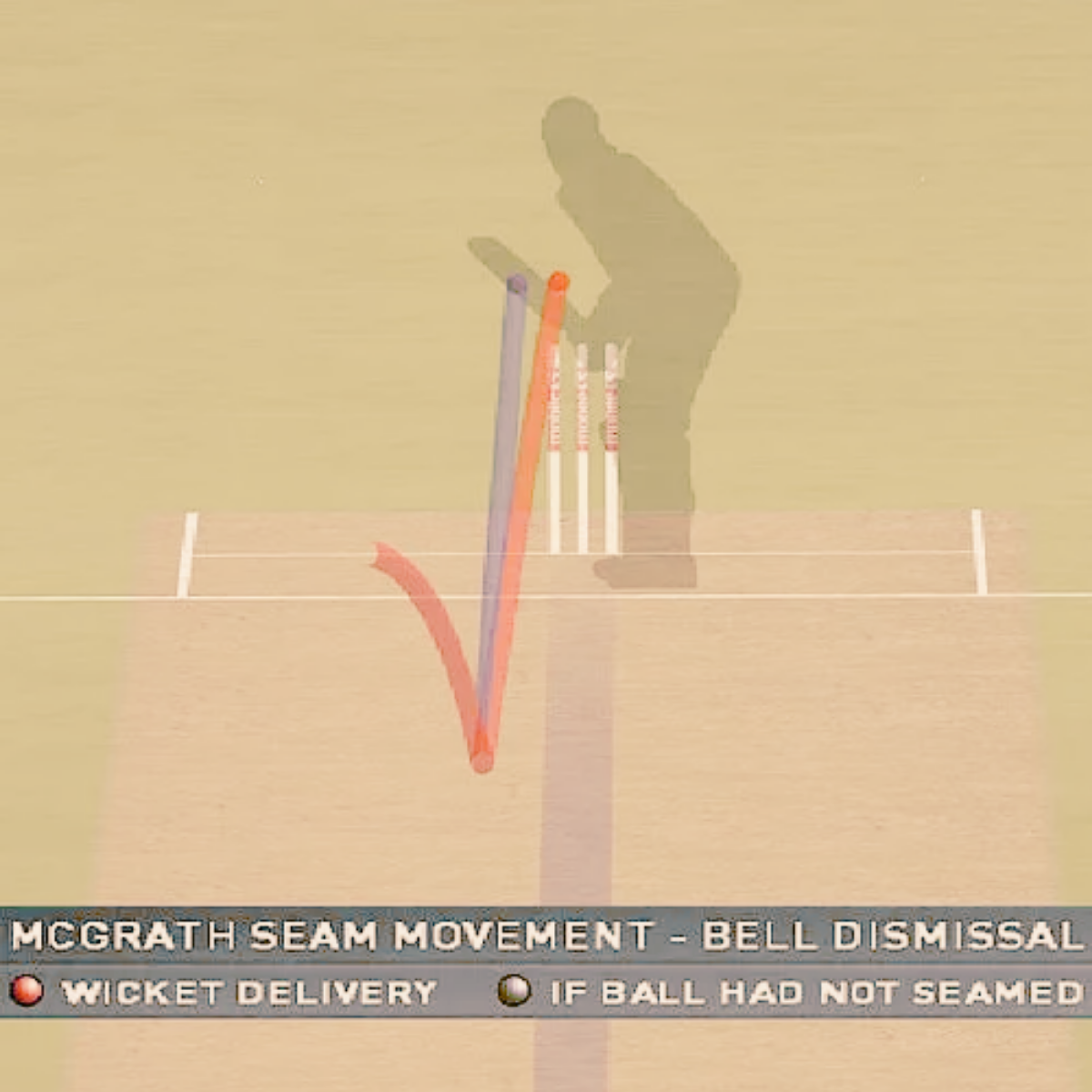
Hawk Eye
Hawk-Eye in cricket is a ball-tracking technology used for LBW decisions, predicting ball trajectory, and edge detection. It enhances umpiring accuracy through multiple camera angles and advanced image processing.
-
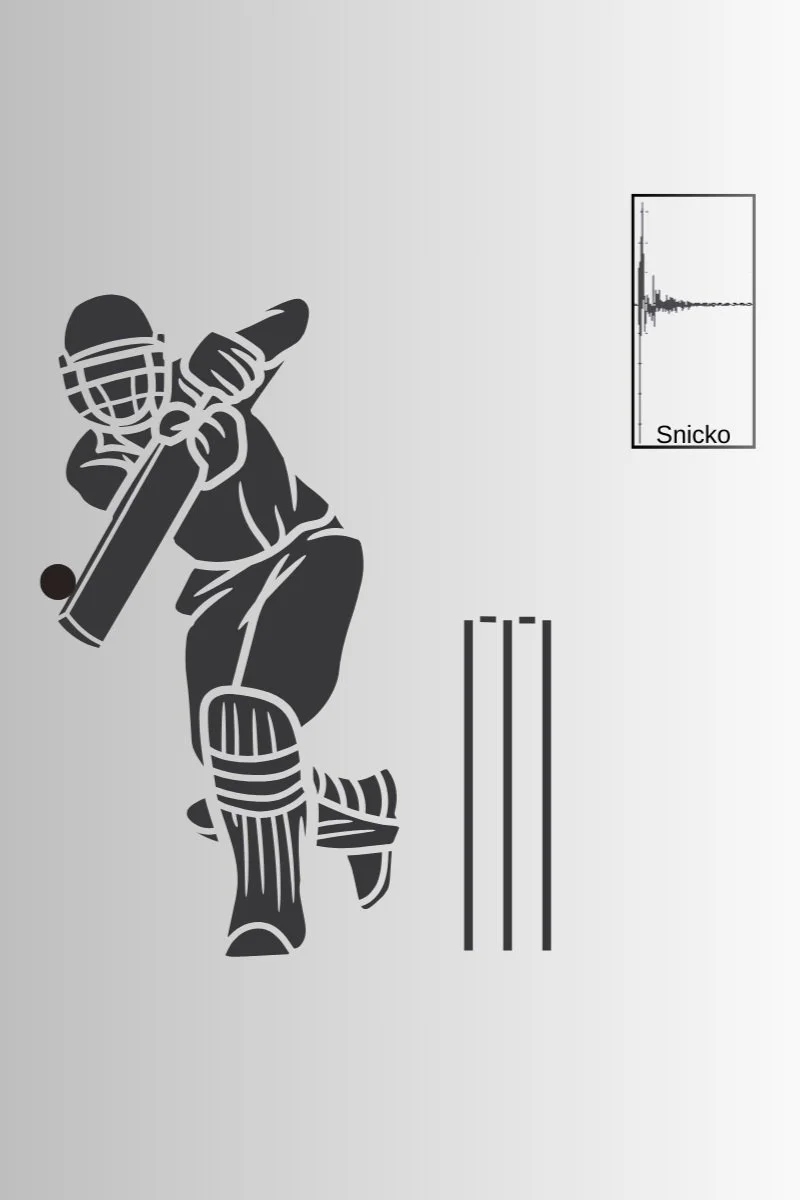
Snicko Meter
Snicko Meter is a cricket technology that detects faint edges by analyzing sound waves from the bat-ball impact. It helps umpires make accurate decisions on caught-behind and edge-related dismissals using ultra-sensitive microphones.
-

GO/ NOGO gauge-ball
A go/no-go gauge for a cricket ball is used to check whether the ball meets standard size and weight regulations. The "Go" side ensures the ball meets the minimum required diameter, while the "No-Go" side ensures it does not exceed the maximum limit. This tool helps maintain uniformity in ball dimensions.
-
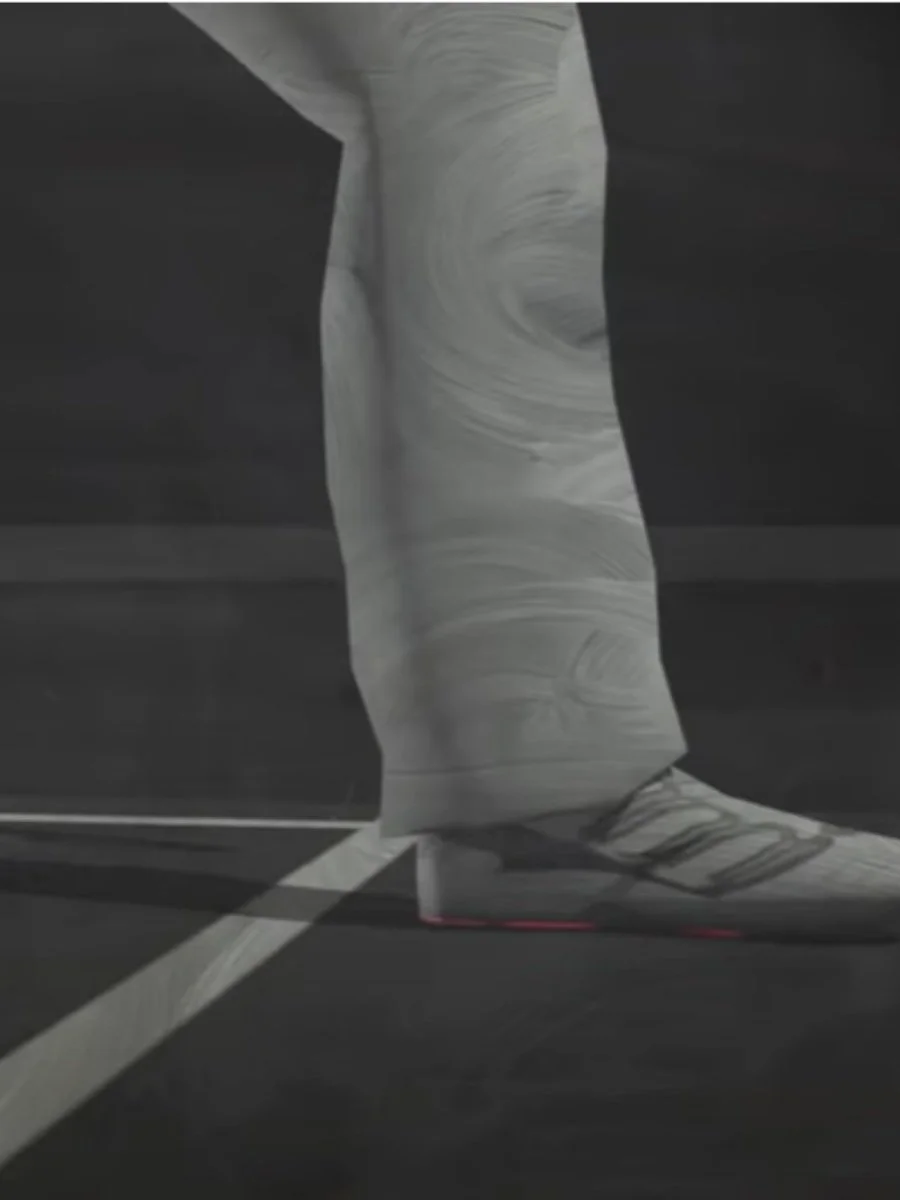
Front Foot Technology
Front foot technology in cricket is used to detect no-balls, ensuring accurate decisions by tracking whether the bowler oversteps the crease. It provides real-time data to improve umpire accuracy during matches.
-
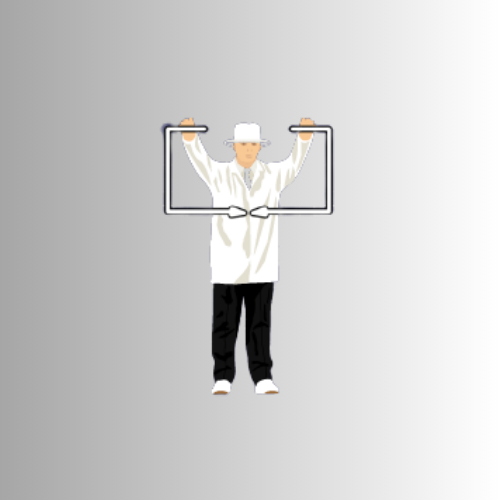
Decision Review System (DRS)
DRS (Decision Review System) in cricket allows players to challenge on-field umpire decisions using technology like ball-tracking, Hawk-Eye, and infrared cameras. It aims to ensure accurate decisions, enhancing fairness in the game.
-
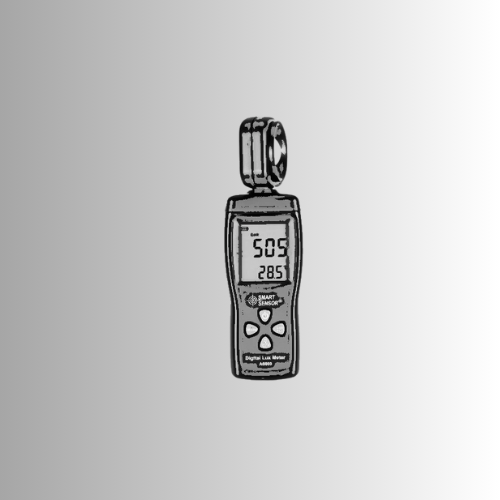
Light-O-Meter
A Light Meter in cricket measures the intensity of light at the stadium. It helps determine if the light conditions are safe enough to continue play, especially during twilight or adverse weather conditions.
-
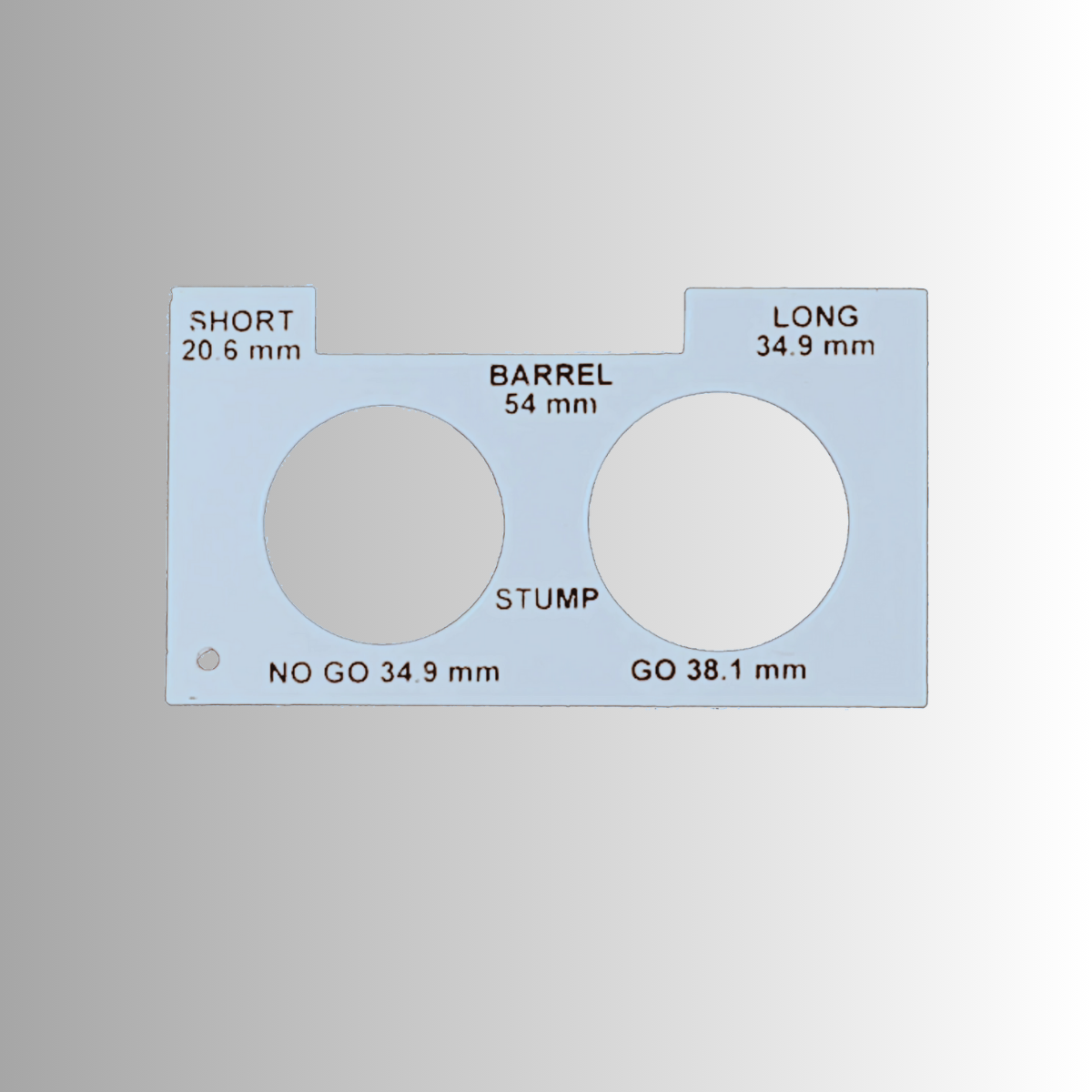
Bat and Stump Gauge
A stump gauge is a cricket tool used to verify stump and bail dimensions. Similarly, a bat gauge is used to verify the dimensions of a bat.
-
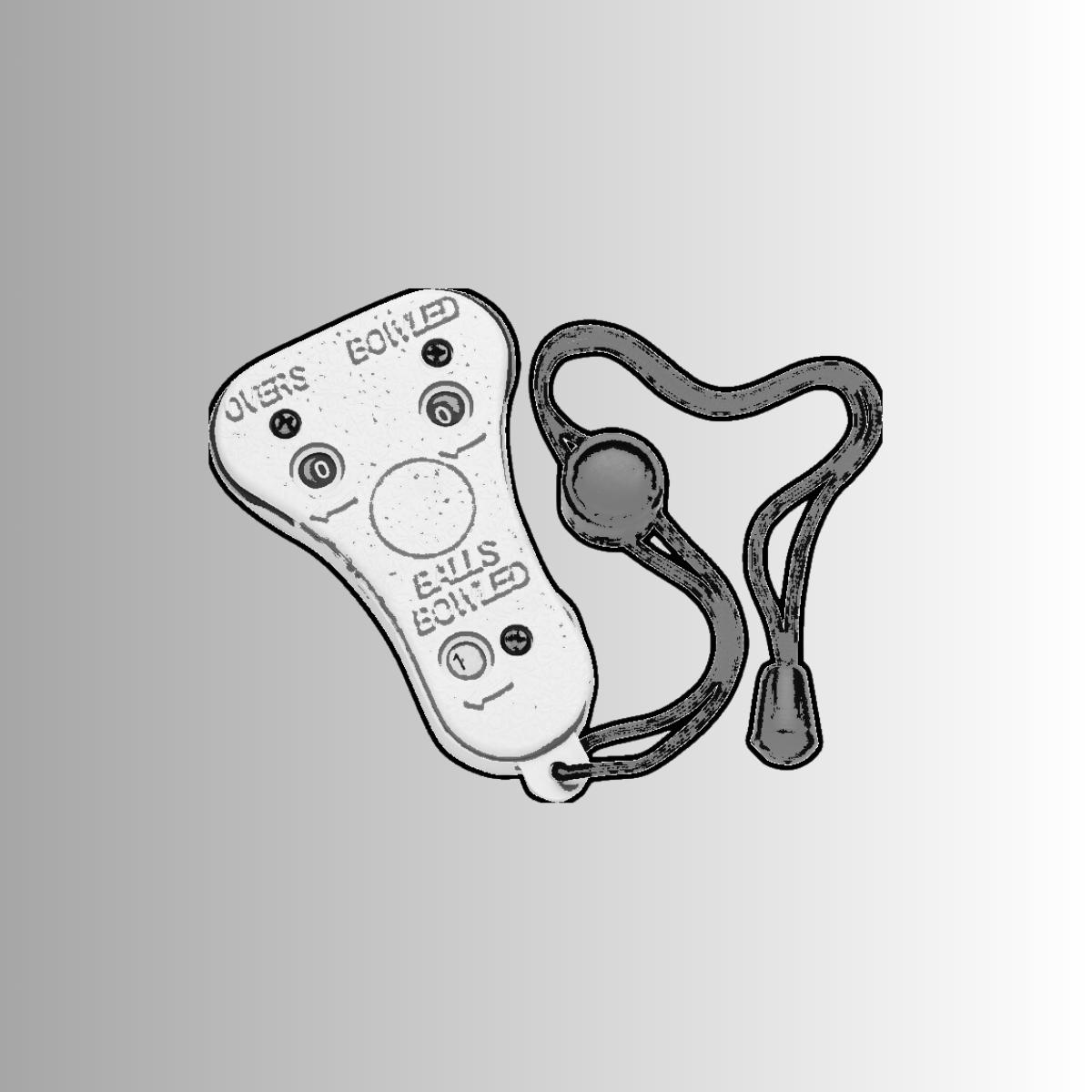
Ball Counters
Ball counters in cricket track the number of balls bowled by a player, providing real-time data for both teams. This ensures accurate monitoring of over limits and bowler rotation during a match.
-
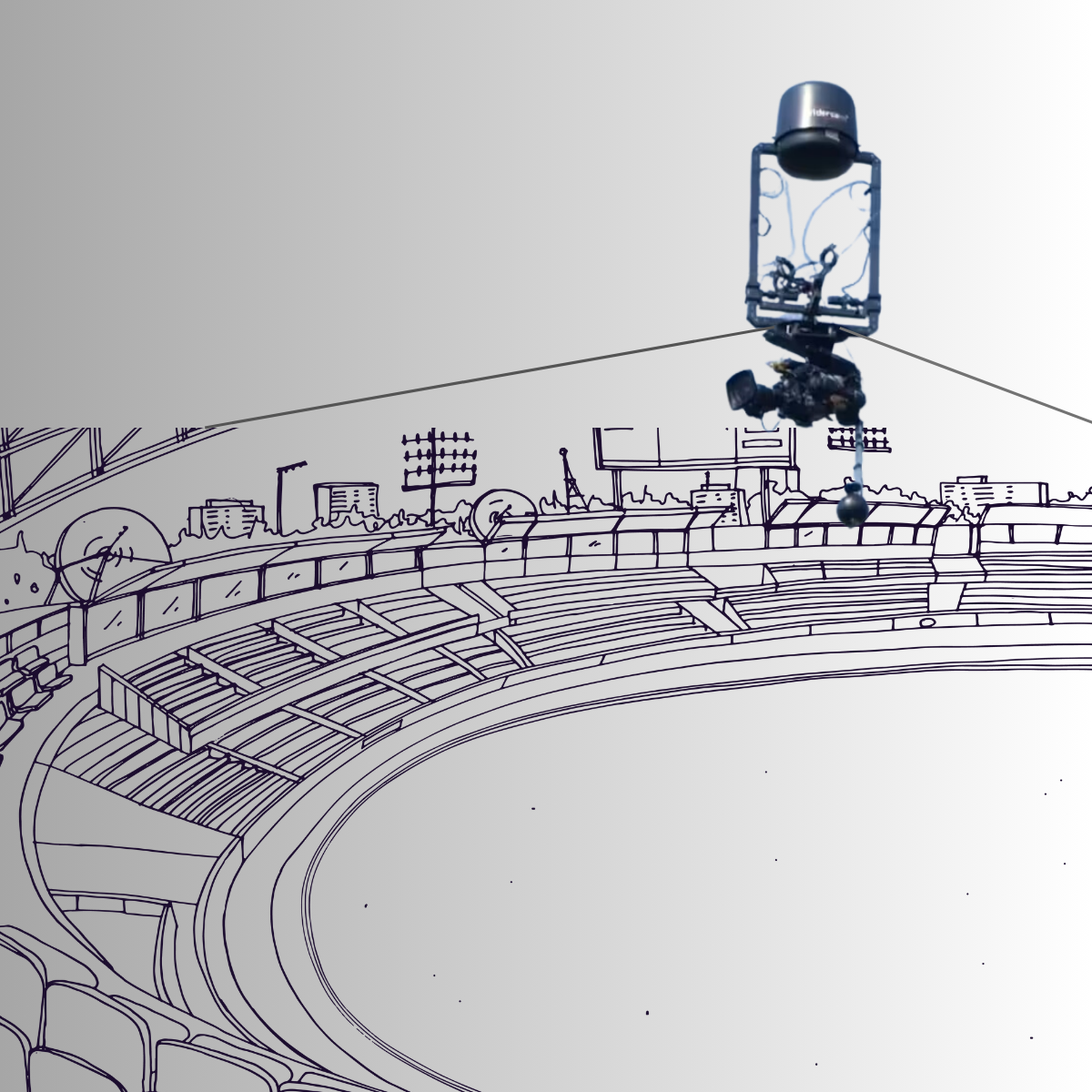
Spider Cam
The Spidercam in cricket is a robotic camera system mounted on wires above the field, offering dynamic, aerial shots. It provides a 360-degree view, enhancing broadcast coverage and viewer experience.