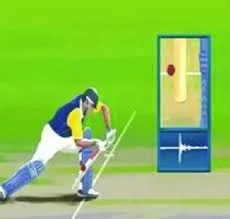
UltraEdge
Purpose:
UltraEdge, also known as Snickometer, is used to detect faint edges off the bat during cricket matches.
Assists in making accurate caught-behind and LBW decisions.
How it works:
Uses a sensitive microphone embedded in the stumps to capture sound.
Synchronizes audio signals with ultra-slow-motion video.
Analyzes sound spikes to identify contact between ball and bat.
Differentiates between bat-ball contact and other noises like pads or clothing.
History & Implementation:
Invented in the 1990s by British computer scientist Allan Plaskett.
Initially used for television analysis of close decisions.
Later integrated into the Decision Review System (DRS) as a key tool.
Upgraded over time into a more advanced version called UltraEdge.
Benefits:
Provides precise and reliable evidence in disputed decisions.
Reduces errors in caught-behind and LBW calls.
Improves fairness by minimizing controversial dismissals.
Supports umpires with clear audio-visual data.
Impact on the game:
Boosts confidence in umpiring decisions.
Enhances transparency and accuracy in reviews.
Widely trusted and used in modern international cricket.