

How the IPL Fair Play Award Promotes Sportsmanship
The IPL is known for high-intensity cricket, world-class talent, and massive global viewership, but it is also a stage where sportsmanship is constantly tested. Fair play goes beyond simply following the rules—it reflects respect for opponents, umpires, and the spirit of the game itself. In a tournament where every run and wicket matters, maintaining discipline and integrity becomes just as important as winning. The concept of fair play ensures that competition remains healthy, respectful, and true to the values of cricket. It reminds players and fans that how the game is played is just as important as the result.
Cricket Vests: The Technology Changing the Game
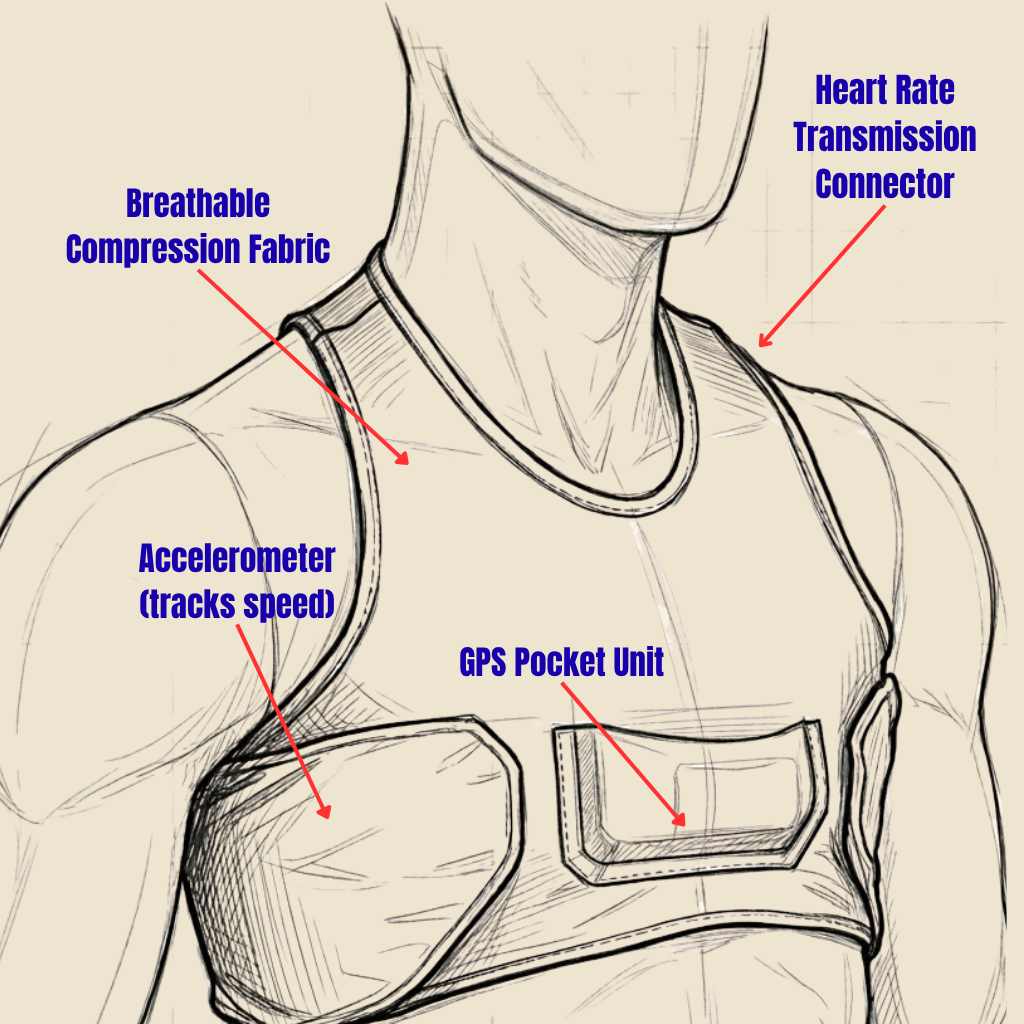
Cricket is evolving beyond pure skill, with modern teams relying heavily on data to improve performance and protect players. GPS performance vests are a key part of this transformation. Worn under a player’s training kit, these vests collect detailed information about movement, speed, workload, and physical stress during practice sessions. Using sensors like GPS trackers, accelerometers, gyroscopes, and heart-rate monitors, coaches can analyze how hard players are working and adjust training accordingly. This technology helps prevent injuries, optimize fitness, and ensure players are match-ready. As analytics and AI continue to develop, GPS vests are becoming an essential tool shaping the future of cricket training.
Umpire Cameras in the IPL: A New Perspective on Cricket
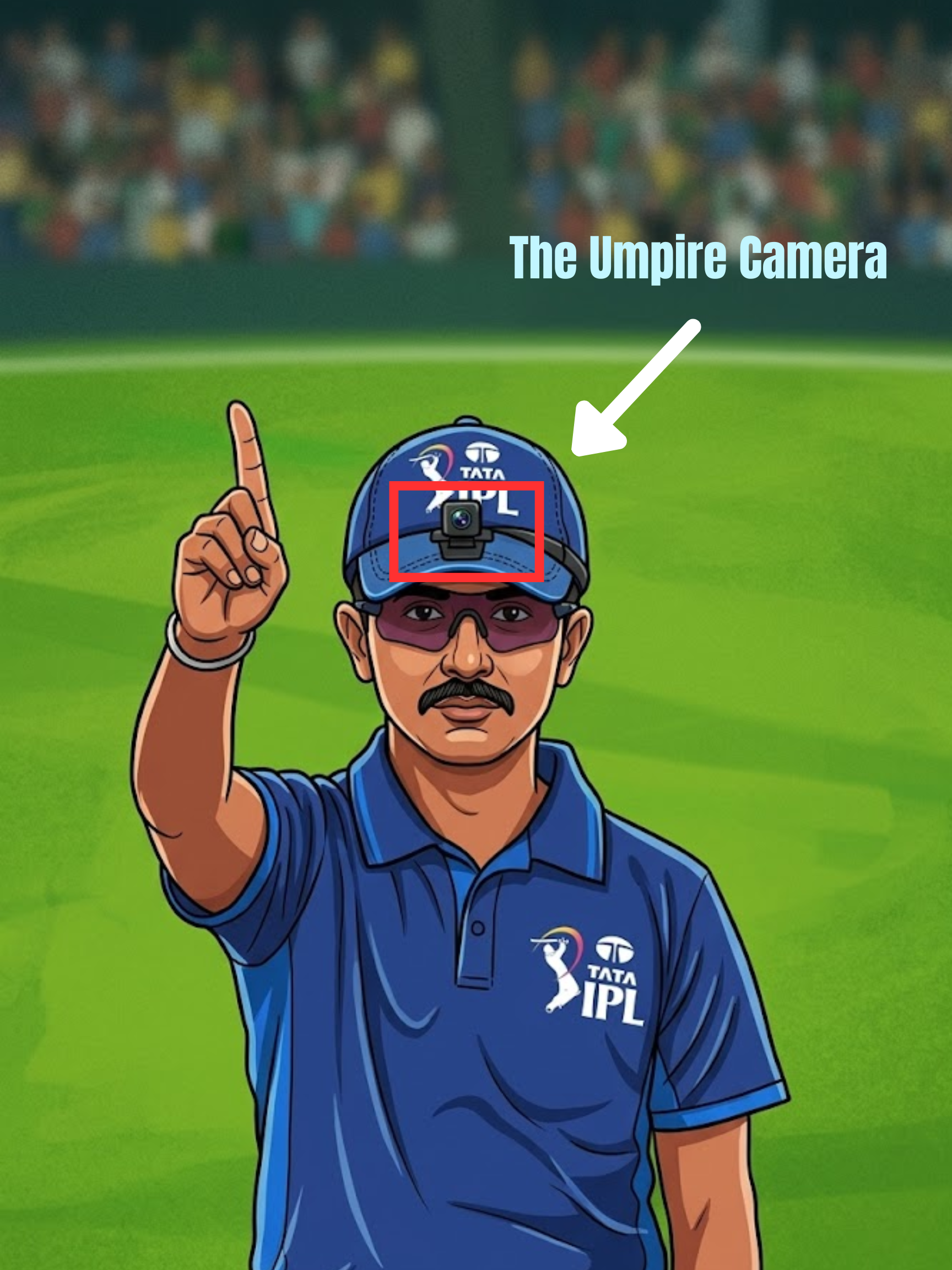
The IPL is closing the gap between the living room and the pitch through its cutting-edge Umpire Camera. No longer a broadcast gimmick, these stabilized 4K units offer a visceral "batter’s eye" view, capturing 150 km/h thunderbolts and late swing from just 22 yards away. By integrating this POV with the Smart Replay System, the league provides unprecedented transparency into the split-second decisions of officials. As wearable tech and AR continue to evolve, the umpire camera remains the gold standard for immersive broadcasting, turning every viewer into a front-row witness to the sport's high-velocity drama.

The Anatomy of Wicket-Keeping Gloves
This article explains the complete construction of wicket-keeping gloves, covering both the outer materials and the internal components that affect performance. It describes how elements such as leather, rubber palms, foam padding, inner linings, and wrist support systems work together to provide grip, protection, and comfort. The article also highlights why material quality matters and how different layers contribute to durability and safety behind the stumps. By breaking down each part of the glove in a clear way, the article helps cricketers better understand their equipment and make more informed decisions when choosing wicket-keeping gloves that suit their playing level and needs.

How Bowling Machines Have Changed Cricket Training
This article explains how bowling machines have changed cricket training and why they are widely used at different levels of the game. It highlights how bowling machines provide consistent practice, allow players to face various bowling styles, and help improve technique, confidence, and reaction time. The article also discusses how they make training more efficient and reduce physical strain on bowlers. Additionally, it addresses the limitations of bowling machines, such as the lack of human variation and match pressure. Overall, it offers a clear overview of how bowling machines impact player development and modern cricket training.
Slow Over Rate Fines
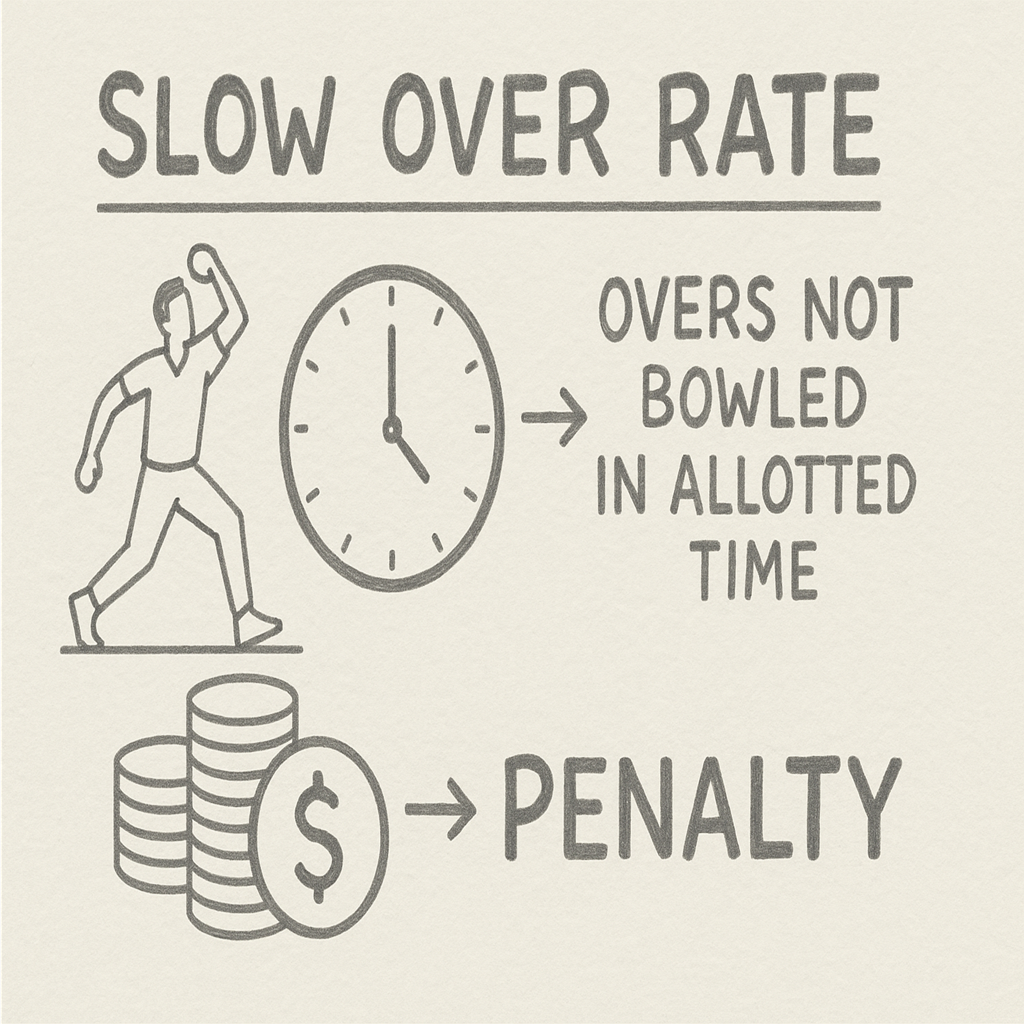
This article explains slow over rate fines in cricket and why teams are penalized for failing to bowl their overs on time. It outlines the expected over rates across Test matches, ODIs, and T20Is, and highlights common reasons for slow play, such as frequent bowling changes, excessive field adjustments, and time lost to discussions or reviews. The article also breaks down the penalties imposed by major cricketing bodies, including the ICC and IPL, showing how fines, fielding restrictions, and captain suspensions are applied. Overall, it provides an easy-to-understand overview of how slow over rates impact teams, players, and match outcomes.
New rules to review wide balls
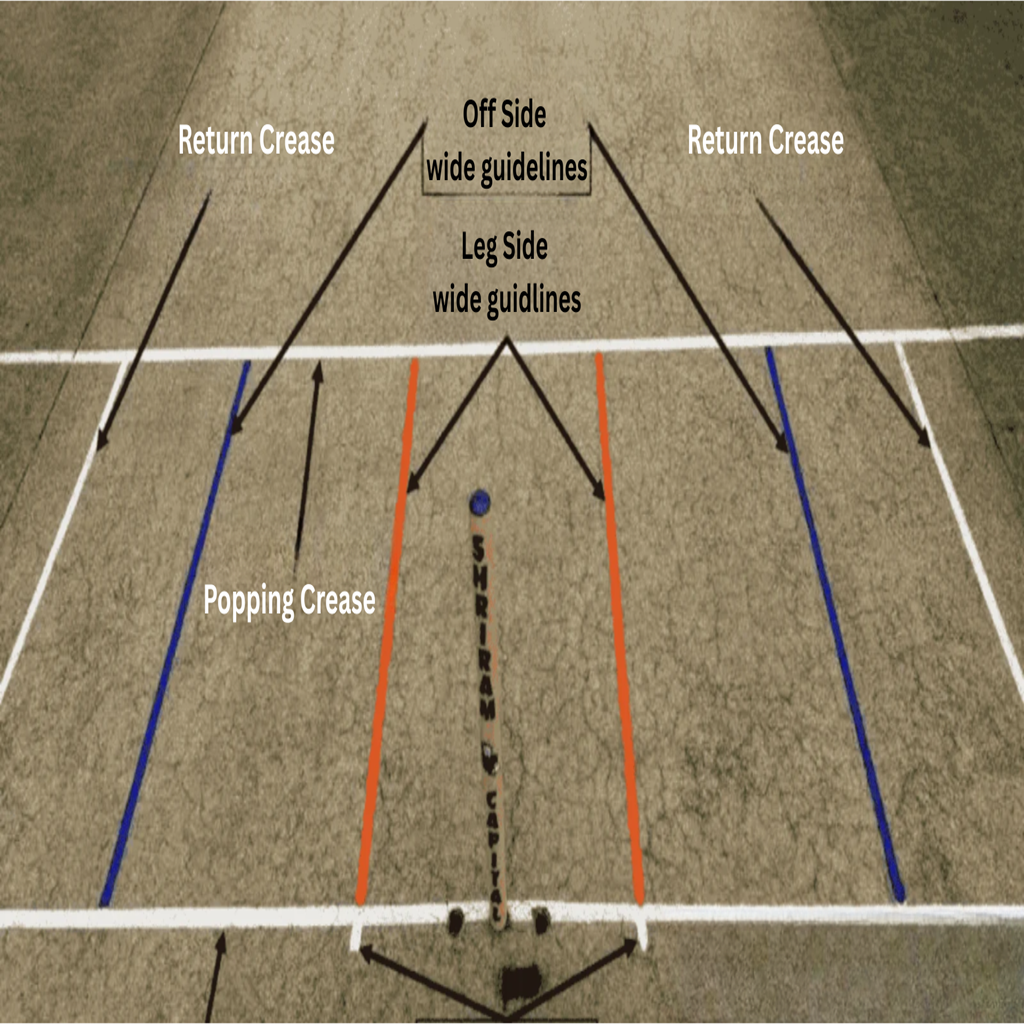
This article explains the new rule allowing teams to review wide-ball decisions using technology. Introduced in the IPL, the rule lets batters and fielding teams challenge certain wide calls through the DRS system, using Hawk-Eye ball tracking. The article breaks down how the system works, why the batter’s position at the crease matters, and how ball height and reach are considered. It also clarifies that the rule mainly applies to off-side wides, while leg-side wides remain mostly unchanged. Overall, the article highlights how this change aims to improve fairness, reduce umpiring errors, and bring more consistency to decision-making.

DRS system for No-Ball
This article explains how the Decision Review System (DRS) is used to identify and review no-ball decisions in modern cricket. It covers front-foot no-ball detection using technology such as Hawk-Eye, as well as reviews for dangerous height-related no-balls like waist-high full tosses. The article highlights how batter position, ball tracking, and real-time monitoring help umpires make accurate decisions. It also discusses the benefits of DRS, including improved fairness, better player safety, reduced umpiring errors, and greater transparency. Overall, the article provides an easy-to-understand overview of how technology has improved no-ball officiating in today’s game.

The Leading Teams in International Cricket
This article looks at international cricket in 2025 and the teams leading the game across all formats. It highlights Australia’s strength in Test cricket, South Africa’s historic World Test Championship win, England’s aggressive “Bazball” style, and India’s dominance in ODIs and T20s. The article also discusses rising teams like Afghanistan, Bangladesh, West Indies, and New Zealand. In addition, it gives a brief look at upcoming tournaments that will shape the future of world cricket. Overall, it offers an easy-to-read overview of who is on top and why cricket is so exciting right now.