
Light Meter
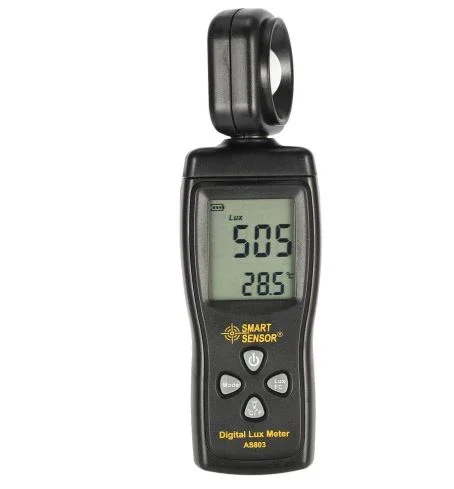
The Light Meter, in cricket, is a technology used to measure light conditions in outdoor stadiums to assist umpires in deciding whether the lighting is sufficient for play. This tool is particularly useful when weather conditions, such as fading daylight or overcast skies, affect visibility. It helps ensure player safety and fair play, especially in limited-overs formats or day-night matches.
The Light Meter measures the intensity of light in the stadium using sensors placed in various locations. If the light level falls below a certain threshold, the umpires can decide to suspend or abandon the game for safety reasons. This technology helps maintain fairness by preventing teams from being disadvantaged due to poor lighting conditions. Although not as widely discussed as other cricket technologies, the Light Meter plays a crucial role in ensuring matches are played under the safest and most equitable conditions possible.
| Parameter | Minimum Recommended | Maximum Recommended | Notes |
|---|---|---|---|
| Illuminance (Lux) - Field | 500 Lux | 2500 Lux | Depends on match type (local vs international) |
| Uniformity Ratio (Emin/Emax) | 0.5 | 0.7 | Ensures consistent lighting across the field |
| Color Temperature (Kelvin) | 4000K | 6000K | Higher values provide better visibility for broadcasting |
| Glare Rating (GR) | <50 | <30 | Lower values reduce glare for players |
| Flicker Rate | <5% | <1% | Lower flicker enhances slow-motion camera footage |
| Beam Angle | 25° | 60° | Determines light spread across the field |