
Practice Nets
A cricket practice net is a vital training aid used by cricketers to refine their skills in a controlled environment. Designed to enclose the practice area with durable netting, cricket nets help players focus on batting, bowling, and wicket-keeping while preventing the ball from traveling outside the designated zone.
Typically constructed with heavy-duty materials like polyethylene or nylon mesh, practice nets offer safety and convenience during individual or team training sessions. The netting is supported by a robust frame made from steel or aluminum, ensuring stability and resistance against strong impacts from cricket balls.
A standard cricket practice net includes a long batting and bowling lane with netting on the sides and overhead to capture stray balls. Some designs are freestanding or portable, while others are permanently installed at stadiums, academies, or schools. Many modern nets feature modular systems that allow users to adjust the length or width based on space availability.
Additional features may include UV-resistant netting for outdoor durability and mesh sizes small enough to prevent cricket balls from escaping. A well-maintained practice net creates a safe and efficient space for cricketers to repeatedly work on techniques, making it an essential tool for consistent skill development and confidence building.
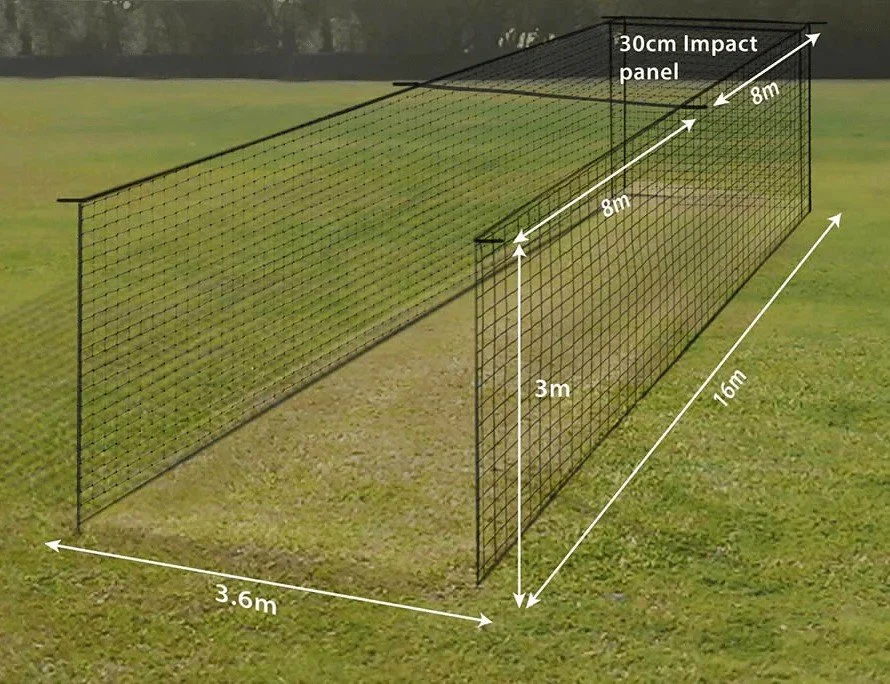
Types of Cricket Nets
Cricket nets come in various designs to cater to different needs:
Fixed Nets: These are permanent structures installed at stadiums or academies. They have sturdy steel frames and are designed to withstand all weather conditions.
Portable Nets: Ideal for schools or community grounds where nets need to be moved frequently. These are lighter and mounted on wheels.
Indoor Nets: Installed in sports halls or indoor facilities, these nets are usually attached to the ceiling or walls with pulleys so they can be retracted when not in use.
Pop-Up or Garden Nets: Popular for backyard use, these are compact and easy to set up for recreational practice.
This table highlights key global players in the cricket net manufacturing industry, showcasing a strong presence from both India and the United Kingdom. Indian companies like Garware Technical Fibres, Metco Sports, Strika International, and Kohinoor Rope emphasize India’s dominance in textile-based sports infrastructure, leveraging the country’s well-developed synthetic fiber and rope industries. Meanwhile, UK-based companies such as Net World Sports, Harrod Sport, and Edwards Sports bring traditional expertise and innovation to the sport’s infrastructure needs. Together, these brands support both grassroots and professional cricket by enabling quality practice environments across the globe.
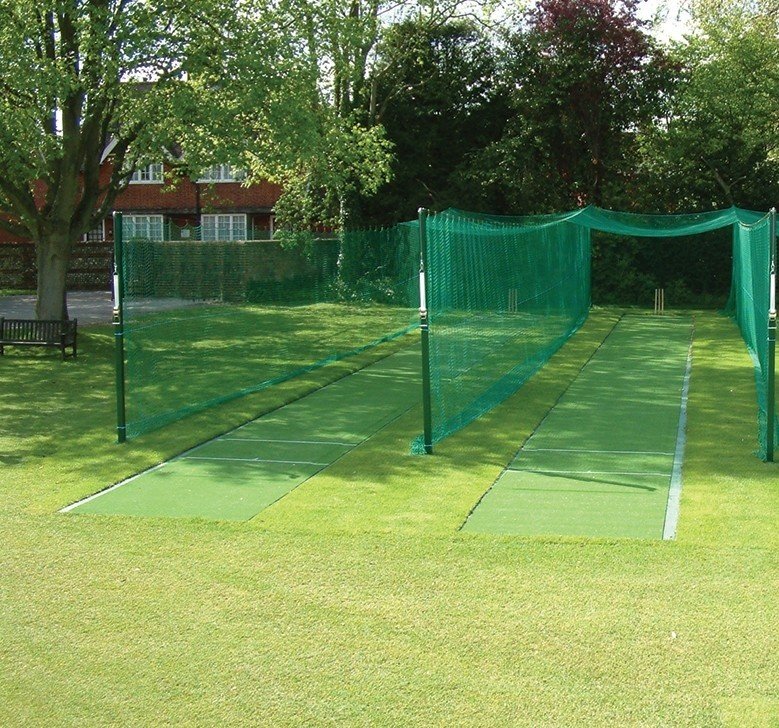
Purpose of Cricket Nets
The primary purpose of cricket nets is to create a safe and efficient space for cricketers to train, whether it’s batting, bowling, or wicket-keeping. Here are some key reasons why cricket nets are indispensable:
1. Safety
Cricket involves high-speed deliveries, and hard cricket balls can cause injuries if not handled properly. Nets act as a protective barrier, ensuring that cricket balls remain within the designated practice area. This is especially crucial in public or crowded areas where stray balls could harm people or damage property.
2. Efficiency in Practice
Nets reduce the need to retrieve balls from long distances, which allows for more repetitions in a shorter span of time. Bowlers can bowl continuously without long interruptions, and batters can focus on technique without worrying about chasing balls.
3. Focused Skill Development
For batsmen, nets provide an opportunity to face bowlers or throwdowns repeatedly, enabling them to work on specific techniques like footwork, shot selection, and timing. Bowlers can focus on line, length, variations, and pace, while wicket-keepers can sharpen their reflexes behind the stumps.
4. Adaptability
Cricket nets can be adapted for both indoor and outdoor use. Indoor nets allow for year-round practice, regardless of weather conditions, while outdoor nets simulate real match conditions with natural or artificial turf. Some modern nets even include bowling machines and cameras to assist with video analysis.
5. Team and Individual Training
Cricket nets are versatile, accommodating both team sessions and individual drills. Coaches often assign different nets to specific training activities—such as spin bowling, pace bowling, or batting under specific scenarios (e.g., short-pitched deliveries).
Top Global Manufacturers
| Brand | Country of Origin |
|---|---|
| Net World Sports | United Kingdom |
| Garware Technical Fibres | India |
| Metco Sports | India |
| Harrod Sport | United Kingdom |
| Strika International | India |
| Edwards Sports | United Kingdom |
| Kohinoor Rope | India |