
Kit Bag
A cricket kitbag is essential for cricketers to store and carry all their gear in an organized way.
Usually made from durable materials like polyester or nylon, offering protection and ease during travel to matches or practice.
It typically holds all necessary items, such as:
Bats, gloves, pads, helmet
Thigh and chest guards, shoes, and extra clothing
Most modern kitbags include multiple compartments, including:
Bat sleeves for safe storage
Ventilated shoe pockets to prevent odor
Small pouches for accessories like balls, grips, and water bottles
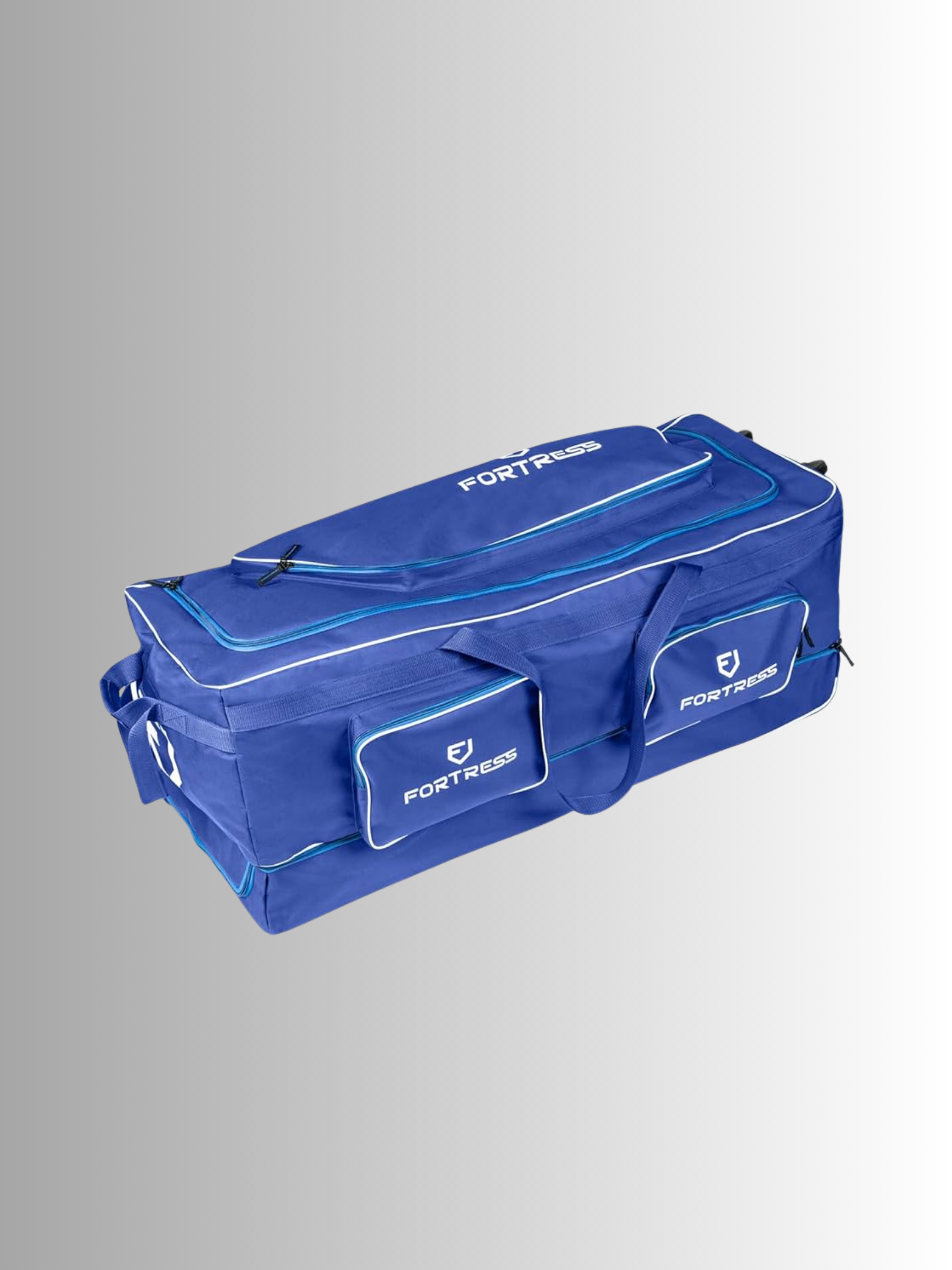
High-end bags often come with wheels and a telescopic handle, making it easier to move heavy gear.
Professional players tend to use larger, trolley-style bags that can hold more equipment.
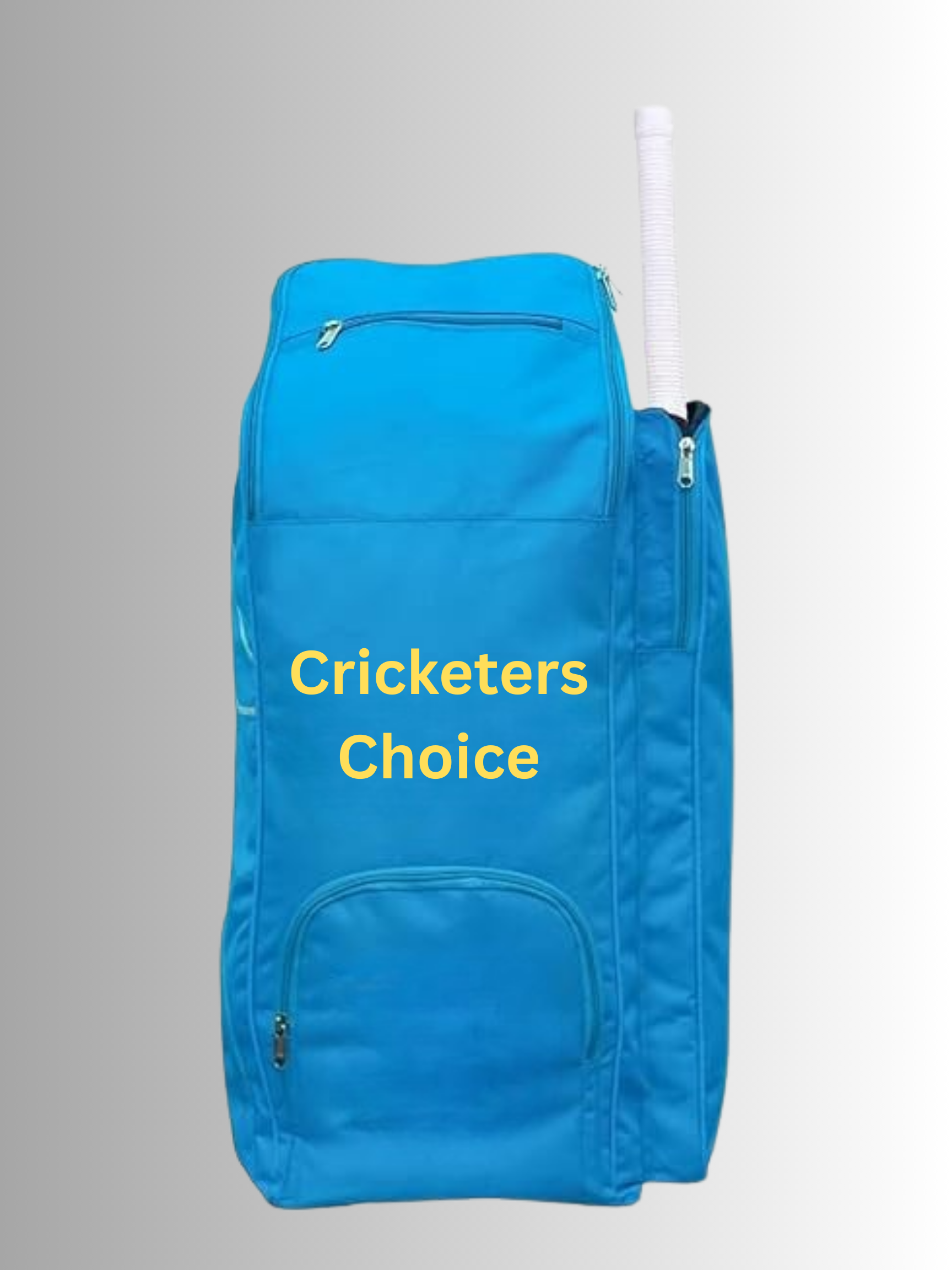
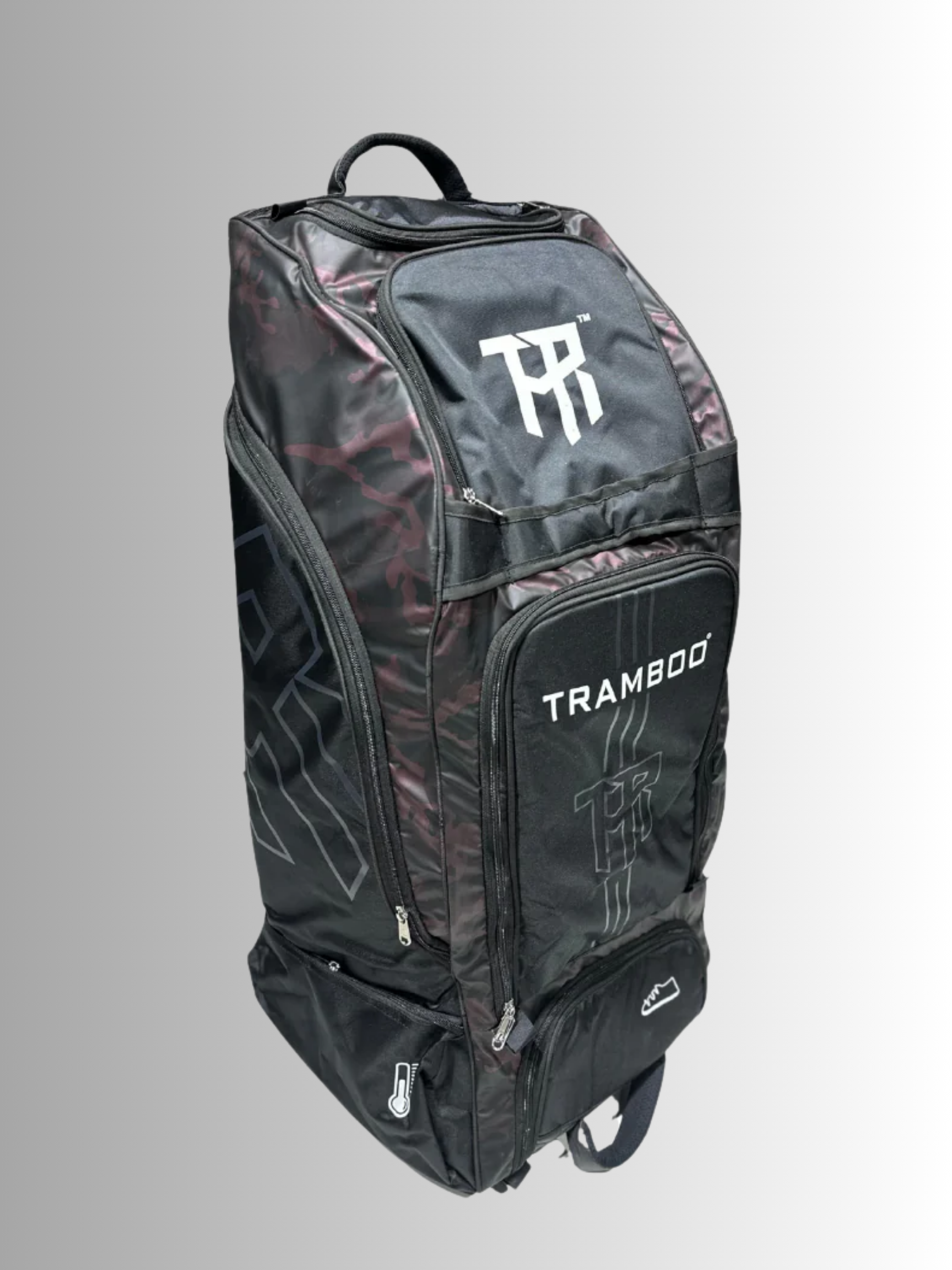
Junior or club-level players may prefer backpack-style bags for lighter travel.Many kitbags have ventilation panels to reduce moisture from sweaty gear, helping to prevent odors and extend equipment life.
Choosing the right kitbag ensures your gear stays safe, organized, and lasts longer—making it a smart investment for any cricketer.
Cricket Kitbag Considerations
1. Size & Capacity
Small: Ideal for junior players or minimal gear.
Medium: Suitable for club cricketers carrying essential equipment.
Large: Designed for professional players with multiple bats and extra gear.
2. Storage & Compartments
Main compartment for pads, gloves, and helmet.
Bat sleeves or external bat pockets for protection.
Separate shoe compartment (preferably ventilated).
Small pockets for balls, grips, and accessories.
3. Mobility & Portability
Backpack-style: Lightweight and easy to carry.
Duffle bag: Can be carried by hand or shoulder straps.
Wheeled trolley bag: Ideal for heavy gear, easy to roll.
4. Durability & Material
Polyester or nylon fabric for long-lasting use.
Water-resistant or weatherproof coating.
Reinforced stitching and zippers for added durability.
5. Comfort & Handling
Padded shoulder straps for easy carrying.
Telescopic handles in trolley-style kitbags.
Ergonomic design to distribute weight evenly.
6. Ventilation & Maintenance
Mesh panels for airflow, preventing moisture buildup.
Easy-to-clean fabric to maintain hygiene.
Choosing the right kitbag depends on playing level, personal preference, and equipment needs to ensure convenience and longevity of cricket gear.
Top Brands
| Manufacturer | Country of Origin |
|---|---|
| Kookaburra | Australia |
| Gray-Nicolls | United Kingdom |
| GM (Gunn & Moore) | United Kingdom |
| SS (Sareen Sports) | India |
| SG (Sanspareils Greenlands) | India |
| Spartan | Australia |
| MRF | India | CA Sports | Pakistan |
| DSC (Delux Sports Company) | India |
| Shrey | India |
This table showcases a rich variety of cricket kit bag manufacturers from both traditional and emerging cricketing nations. India stands out with a commanding presence—brands like SS, SG, MRF, BAS, DSC, and Shrey reflect the country's dominance in cricket gear production and its massive domestic market. The United Kingdom also plays a significant role, with Gray-Nicolls and Gunn & Moore (GM) maintaining their historic reputations in equipment quality. Australia contributes through legacy brands like Kookaburra and Spartan, while Puma (Germany), New Balance (USA), and CA Sports (Pakistan) highlight the sport’s global reach. Interestingly, many international brands still rely on Indian manufacturing infrastructure, further emphasizing India’s central position in the cricket supply chain.